

01
Application intent
State the area, surface or route the light must serve before discussing a distribution.

Technology and qualityConnect optical performance to the scene it must serve.
Technology / optical performance
Photometric evidence becomes useful when the project team can see which application, geometry and design decision it is meant to support.
Procurement question
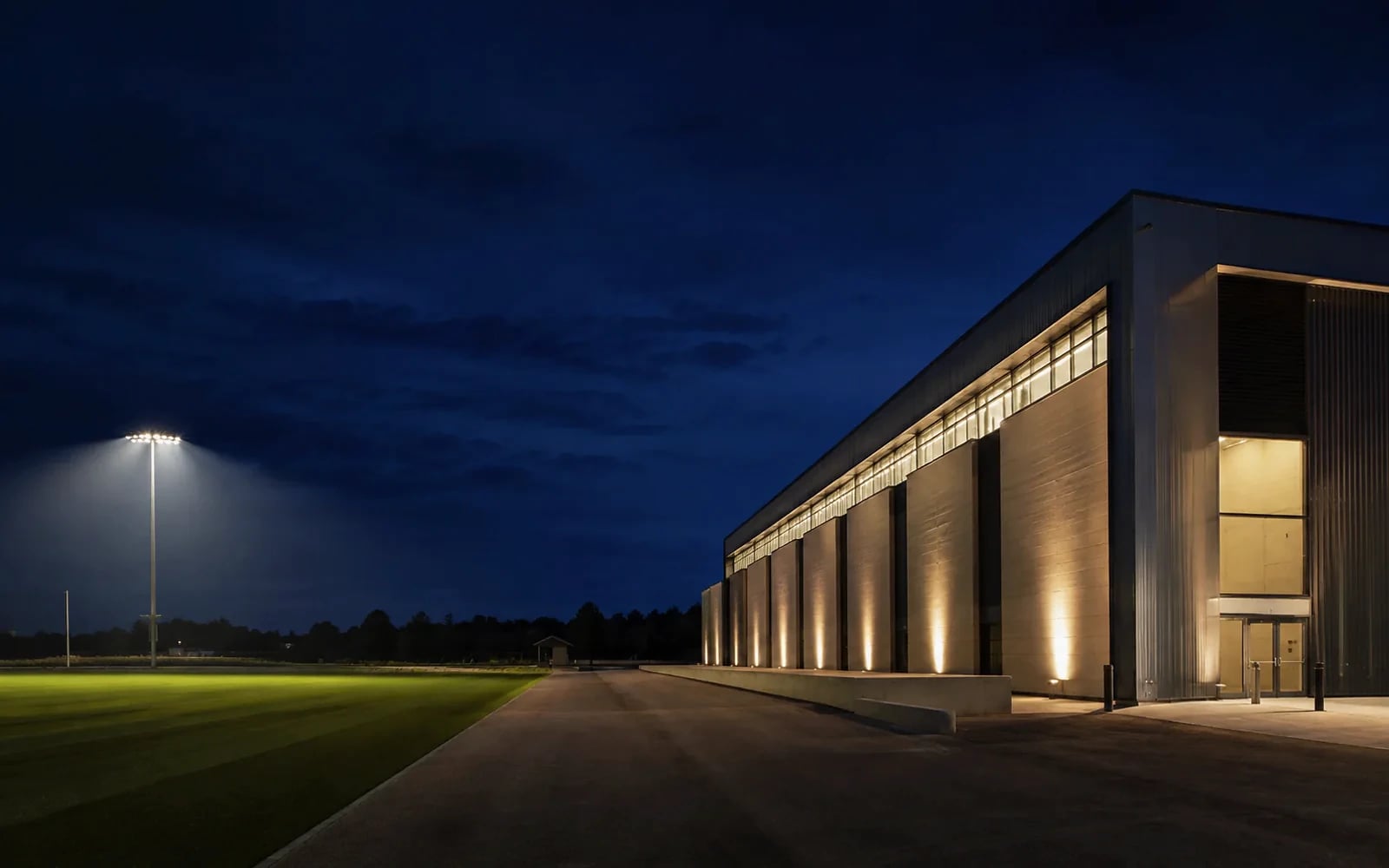
Name the road, landscape, public-space or facade task, then describe the distribution, glare or aiming question that the design team needs to resolve.
Decision evidence
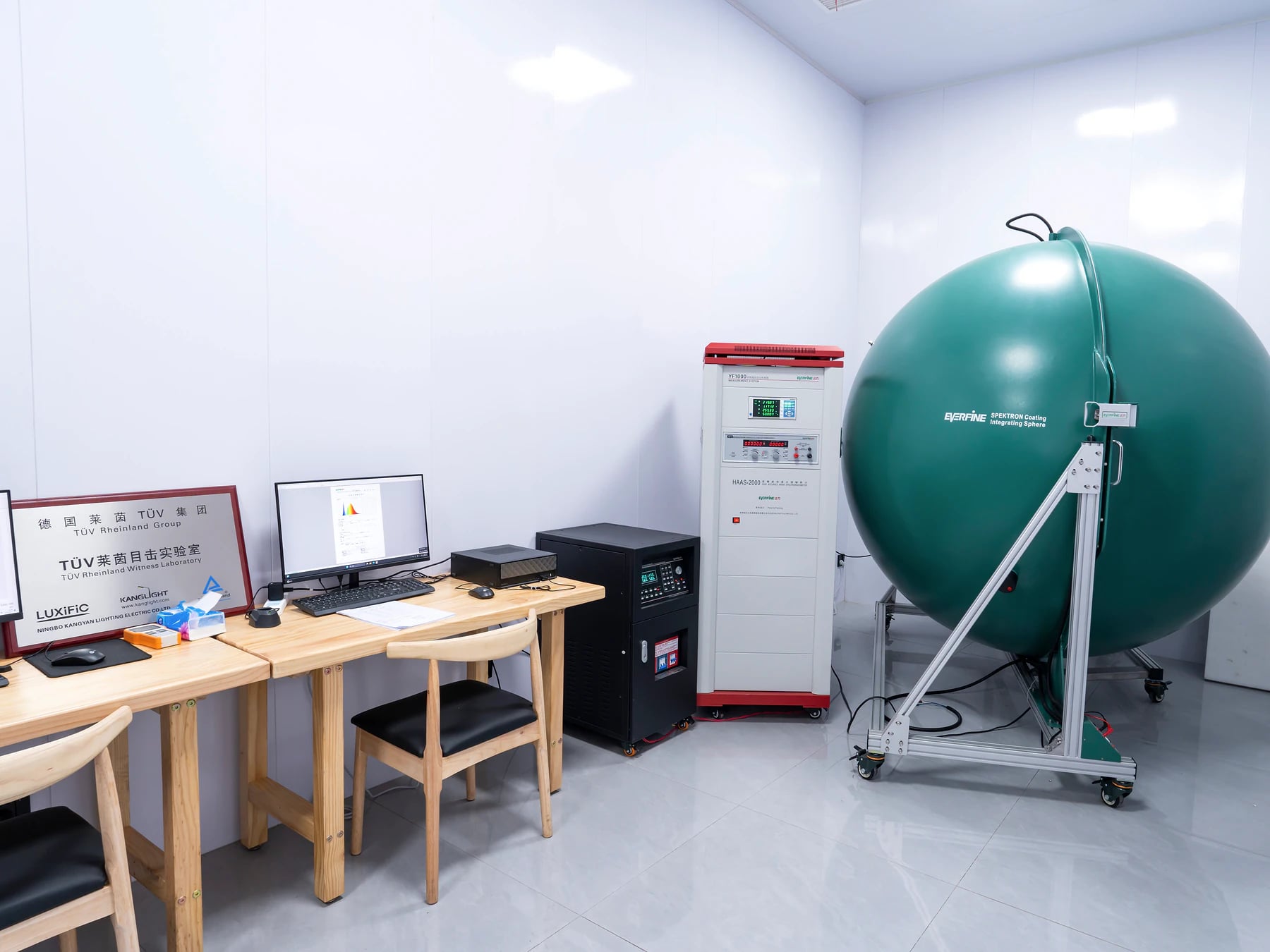
The supplied integrating-sphere image documents measurement equipment. It does not replace a model-specific file or project calculation.
State the area, surface or route the light must serve before discussing a distribution.

Request the applicable photometric or optical data for the selected model and configuration.
Explain whether the data is needed for layout, approval, comparison, simulation or procurement.
Keep these facts connected
A measurement setup is evidence of a process context; it is not a guarantee that every model has the same result.
Use the supplied image to understand the measurement context, not as a substitute for a product file.
Tie every value or distribution request to the exact model and configuration.
State what the optical data will change in the project layout or approval process.
Questions to carry forward
Use the answers as a starting point. Model, market and project-specific details still need written confirmation.
No. It shows measurement equipment. Request and review the optical data for the selected model and configuration.
Ask for the data needed by the specific design task, such as distribution, photometric reference, dimensions or model options.
Your next step
Share the application, product context, target market and documents you need reviewed. The final configuration remains subject to the selected model and project brief.