
01
Surface and visual goal
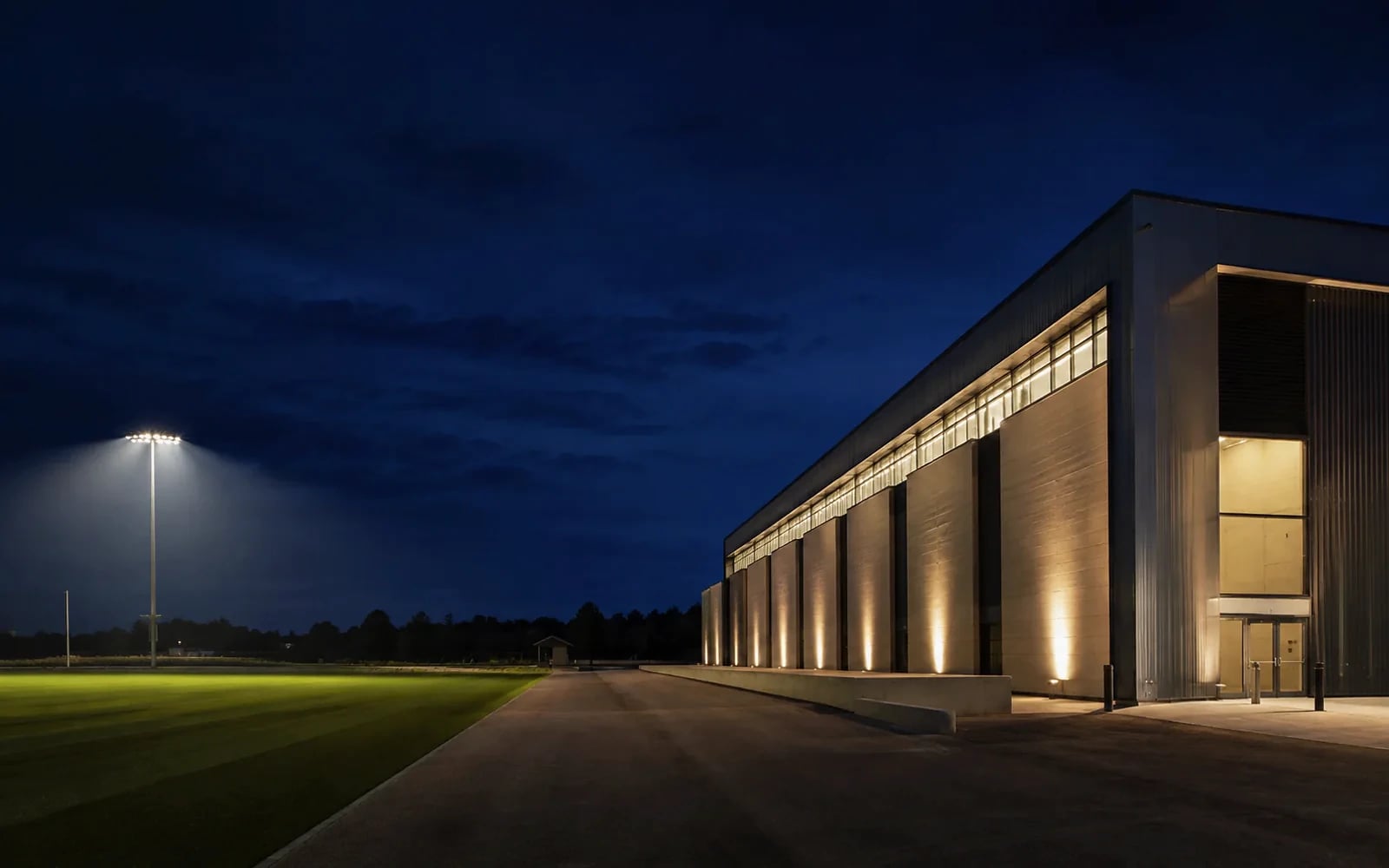
Name the facade or area to be covered and explain whether the task is emphasis, orientation, security or broad-area illumination.
ApplicationsPlan floodlighting and facades around reach, surface and control.
Applications / floodlighting
Floodlighting decisions depend on what must be seen, how the light reaches it, where the luminaire can be mounted and which technical evidence the project needs.
Procurement question
Describe the facade, ground, structure or outdoor area, the viewing direction and the mounting constraints before comparing floodlighting families.
Decision evidence
Use the same brief to connect optical intent, exposure, installation and control questions.
Name the facade or area to be covered and explain whether the task is emphasis, orientation, security or broad-area illumination.
Record distance, angle, mounting height and service access so the optical conversation remains grounded.
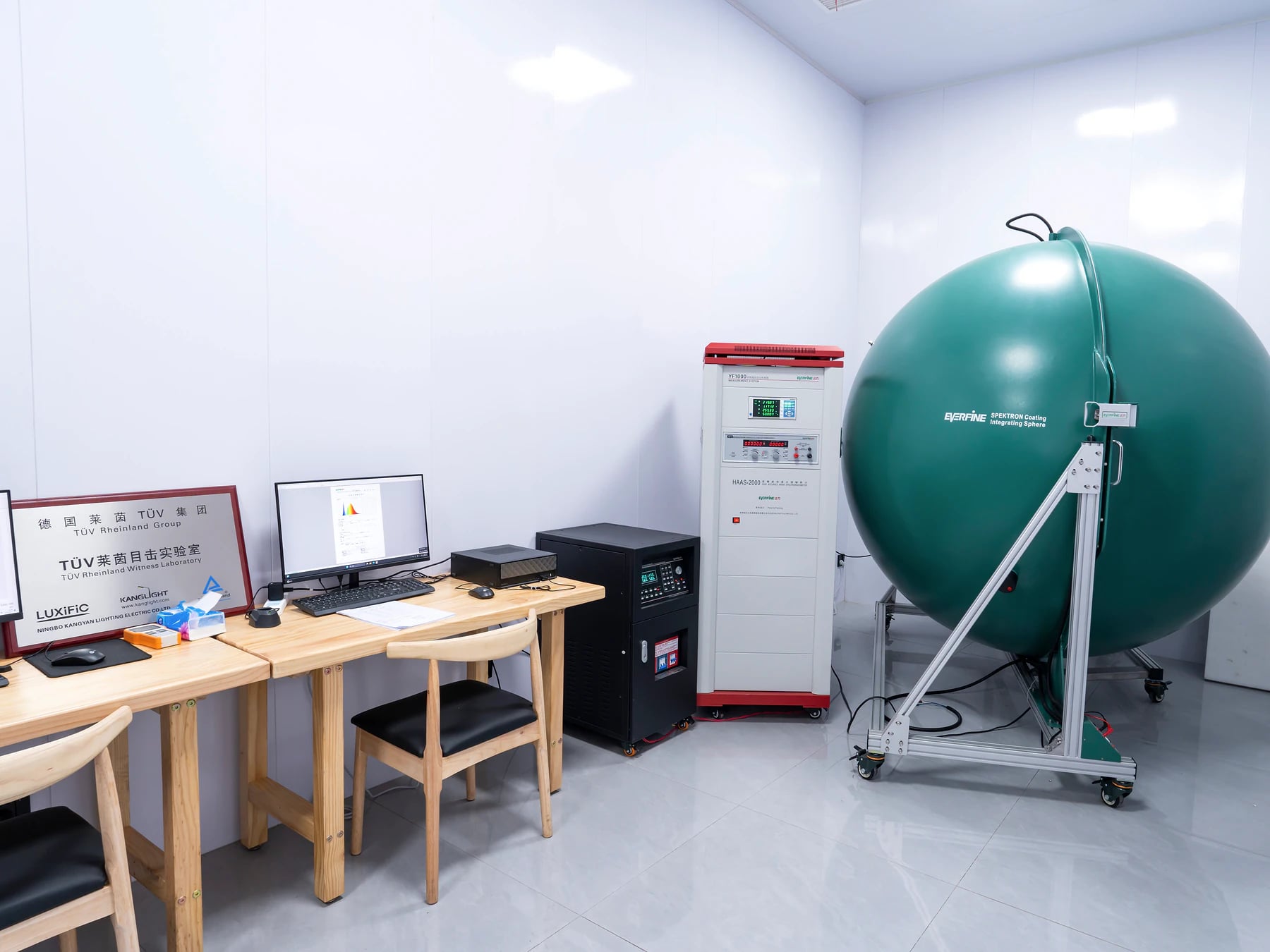
List environmental exposure, operating periods and control expectations for the selected model to be reviewed.
Keep these facts connected
A clear floodlighting brief makes open optical and installation questions visible instead of hiding them in a generic product request.
Define the distribution and aiming question the design team needs answered.
Confirm the mounting, adjustment and access conditions that shape the installation.
Request the model-specific data or layout support needed for the next review.
Questions to carry forward
Use the answers as a starting point. Model, market and project-specific details still need written confirmation.
No. The image only frames the application. Reach, surface, mounting, optics and control requirements must be reviewed for the actual project.
Include the target surface, mounting position, distance, aiming intent, quantity, controls and destination market.
Your next step
Share the application, product context, target market and documents you need reviewed. The final configuration remains subject to the selected model and project brief.