
01
Route and public context
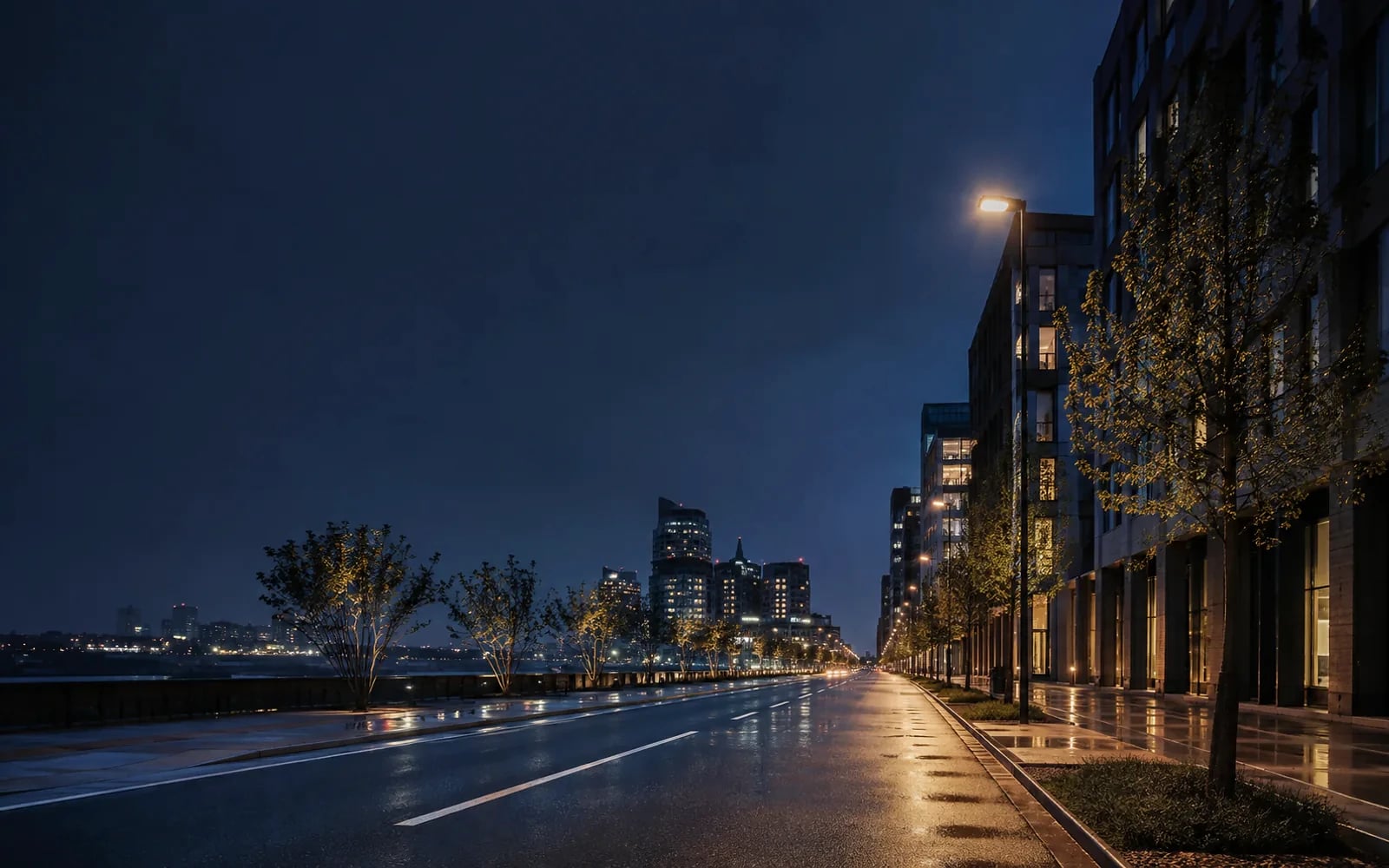
Record whether the project concerns a road, boulevard, pedestrian connection, civic space or another public route.
ApplicationsPlan road and civic lighting around movement, context and review.
Applications / road and civic
Road and civic projects need a clear path from the route condition to the product family, optical question and documents needed for approval.
Procurement question
Describe the road or civic setting, the visual task, mounting context and project stage. These details give the selection discussion a practical starting point.
Decision evidence
Use the application page to organize the brief before asking for a model-specific recommendation.
Record whether the project concerns a road, boulevard, pedestrian connection, civic space or another public route.
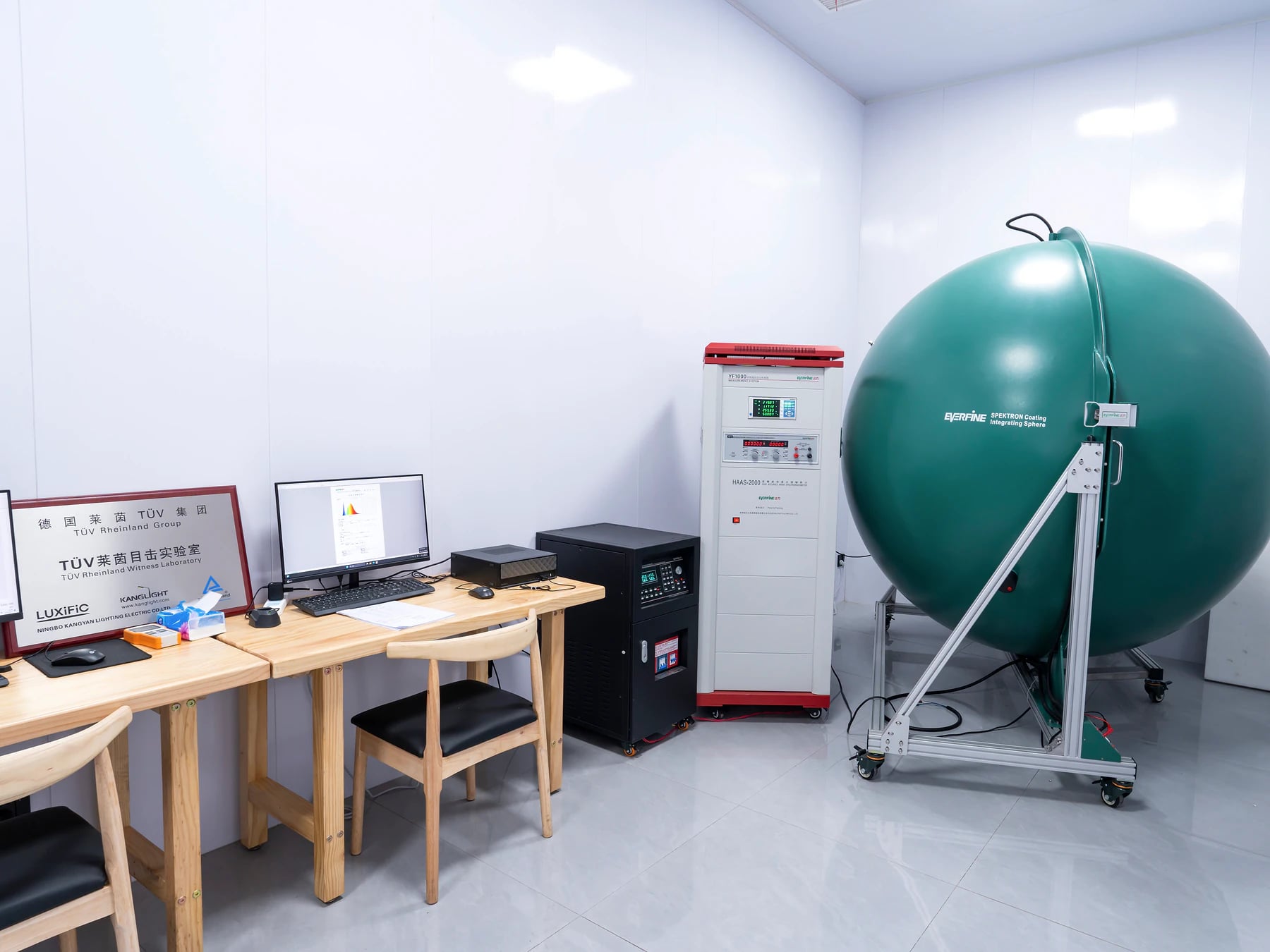
Clarify the mounting arrangement, spacing assumptions and the distribution the design team needs to study.
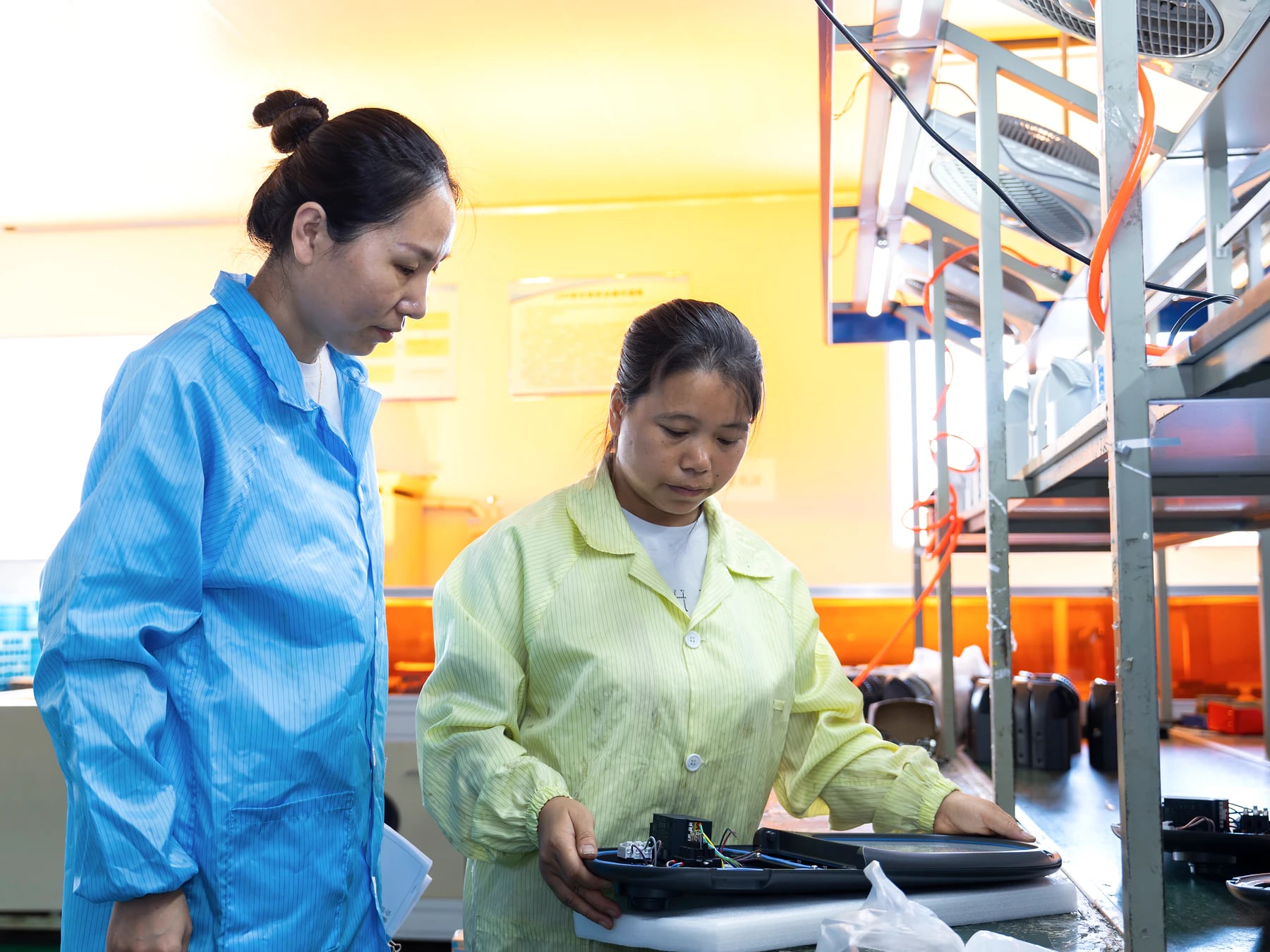
List the drawings, optical references and commercial information required by the next project gate.
Keep these facts connected
Road-lighting decisions often move between designers, contractors, buyers and local stakeholders. Keep the same brief readable at every handoff.
State what the lighting layout must make clearer, safer or more legible.
Compare product families against the route and mounting context rather than against a generic feature list.
Ask for the exact model data that the design or purchasing team still needs.
Questions to carry forward
Use the answers as a starting point. Model, market and project-specific details still need written confirmation.
No. It frames the selection discussion. The final model, optics, mounting and project documents require confirmation for the specific scheme.
Share route type, installation context, approximate quantity, destination market and any layout or optical requirements already known.
Your next step
Share the application, product context, target market and documents you need reviewed. The final configuration remains subject to the selected model and project brief.