01
Read the place
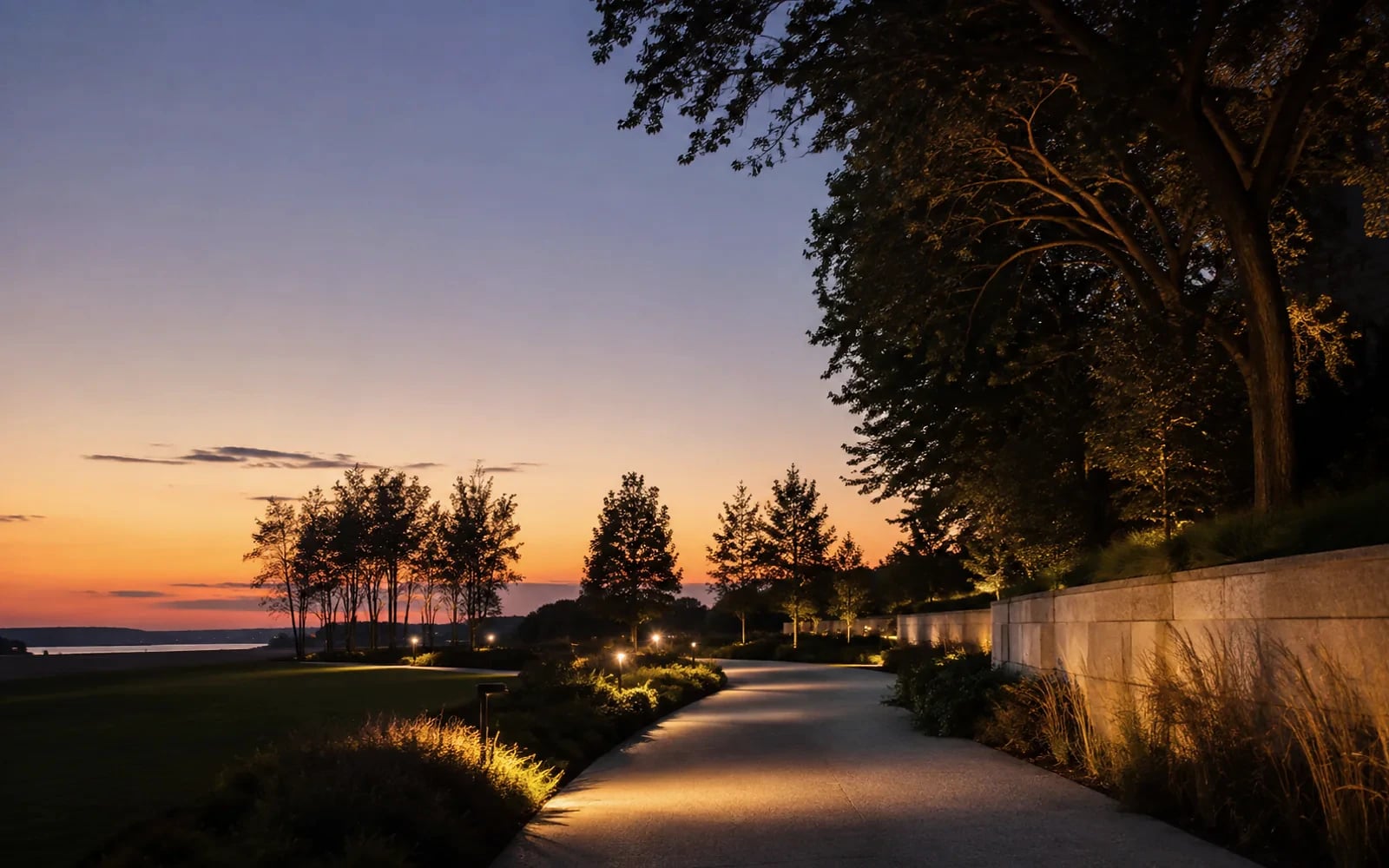
Map the viewer, path, facade, planting, boundary and other elements that shape the visual experience.
ResourcesMove from a visual idea to a lighting design question.
Resources / lighting design
A lighting design discussion improves when the place, visual intent, optical task and installation boundary are described together.
Procurement question
Describe the surfaces, paths, objects or routes that matter, then identify the distribution, glare, control and maintenance questions that sit behind the visual concept.
Decision evidence
These prompts help a project team decide what to compare, what to measure and what to request from the product team.
Map the viewer, path, facade, planting, boundary and other elements that shape the visual experience.
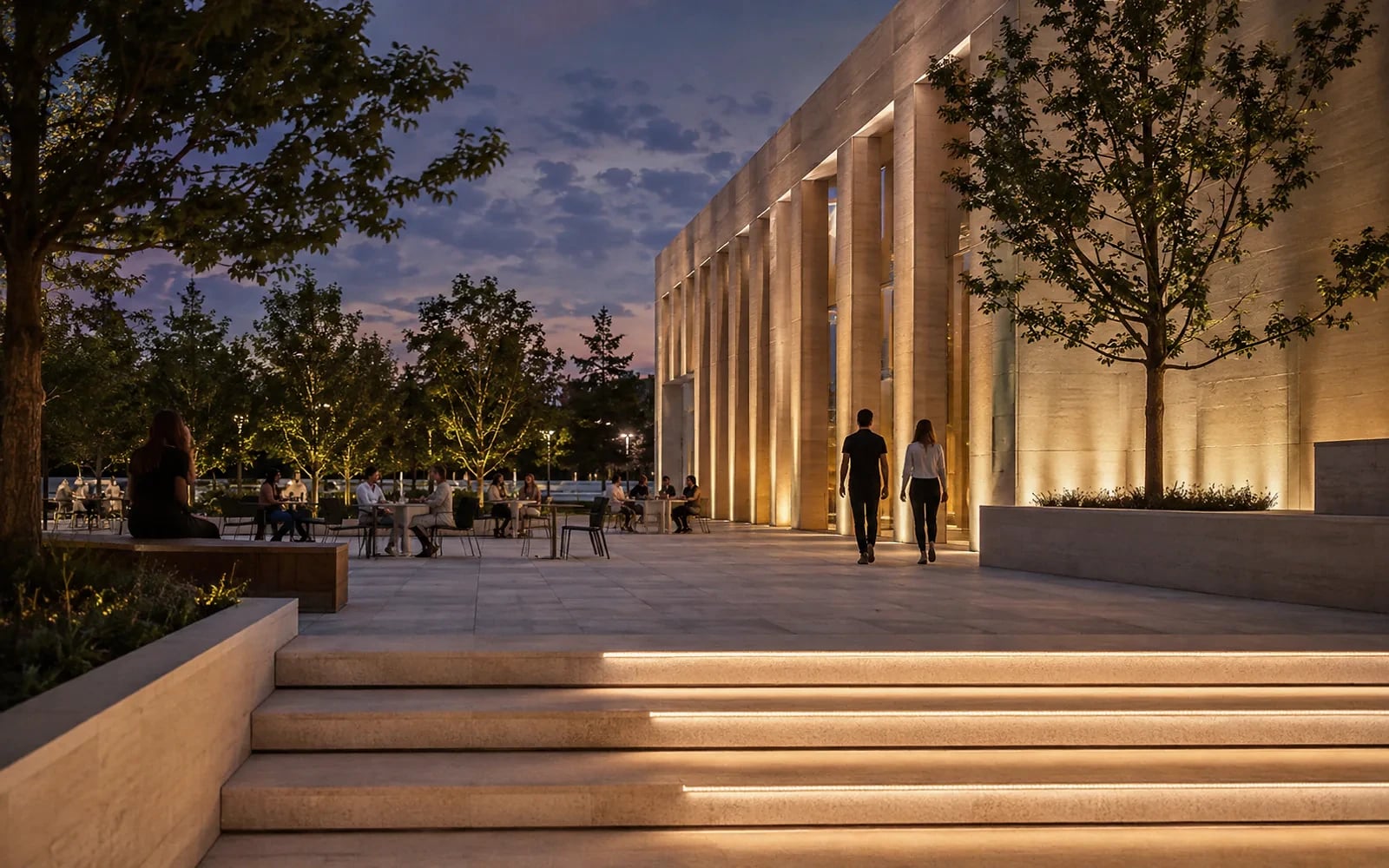
Name emphasis, rhythm, contrast, comfort, reach or orientation goals without presenting them as achieved results.
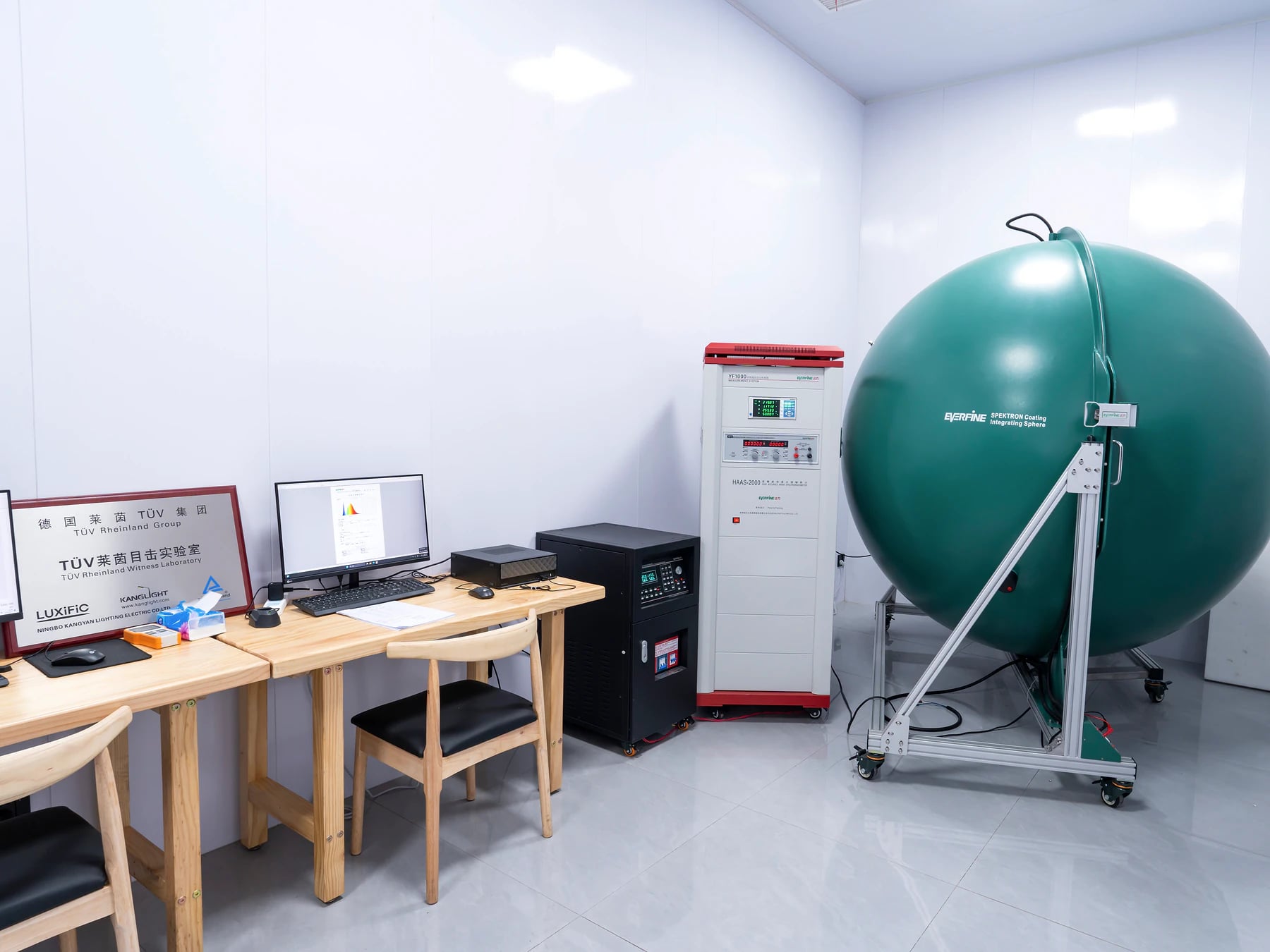
Request the optical, mechanical and installation information that allows the concept to be reviewed.
Keep these facts connected
A useful design request translates the atmosphere into decisions a product, installation and purchasing team can check.
Keep the reason for the light visible when the team compares families.
Record mounting, access, surface and exposure constraints.
Choose the file, sample, layout or product review needed next.
Questions to carry forward
Use the answers as a starting point. Model, market and project-specific details still need written confirmation.
No. It helps frame the design question. A project-specific calculation or simulation needs the correct site and model data.
Include the place, viewing context, visual intent, mounting constraints, quantity, market and the technical question you need answered.
Your next step
Share the application, product context, target market and documents you need reviewed. The final configuration remains subject to the selected model and project brief.