A request for an outdoor luminaire often begins with a wattage. That is useful commercial information, but it is not a complete road-lighting specification. Two proposed configurations can have similar electrical power while distributing light differently across the same road. For Vega 1 road lighting, define the road and installation first, then select the exact configuration that will be evaluated.
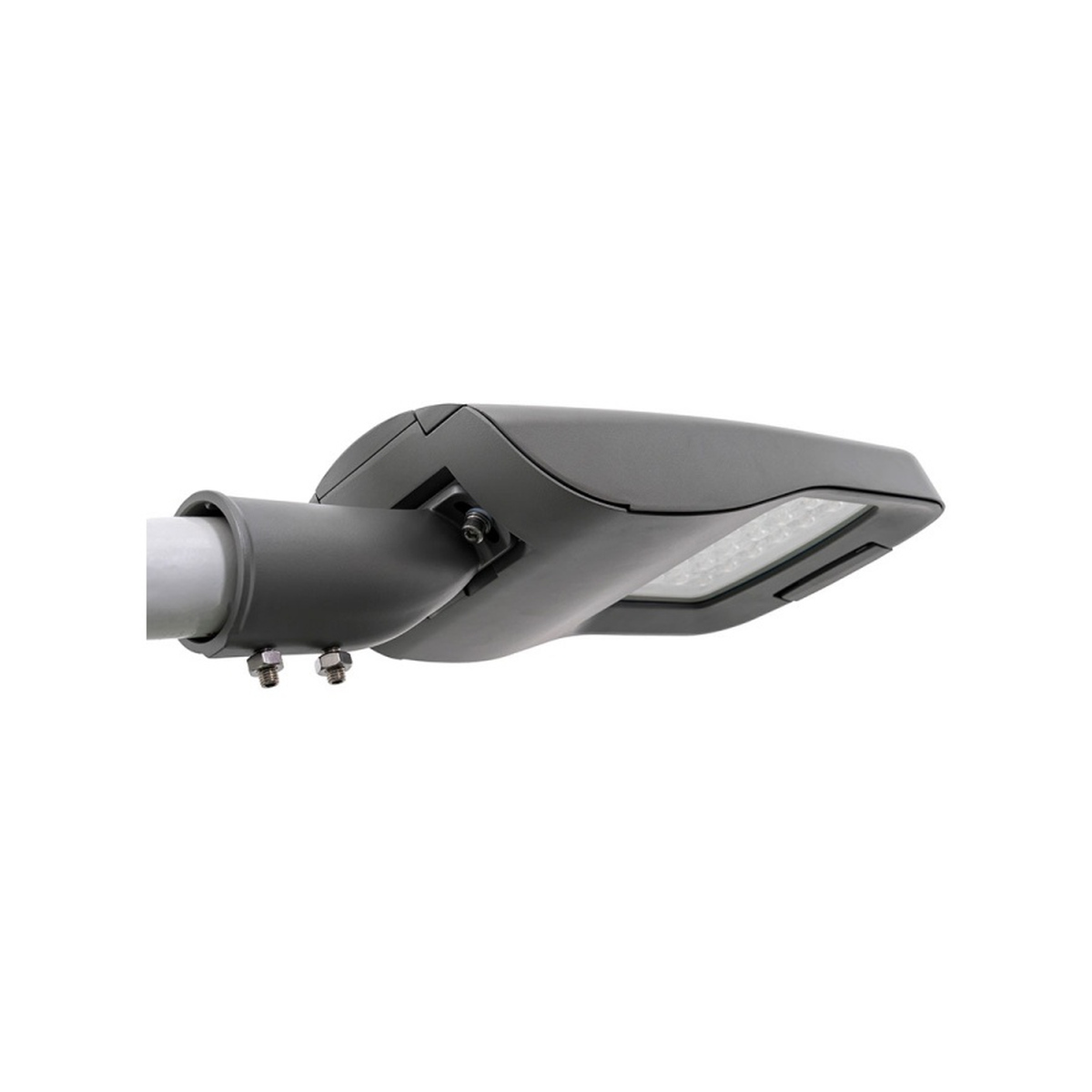
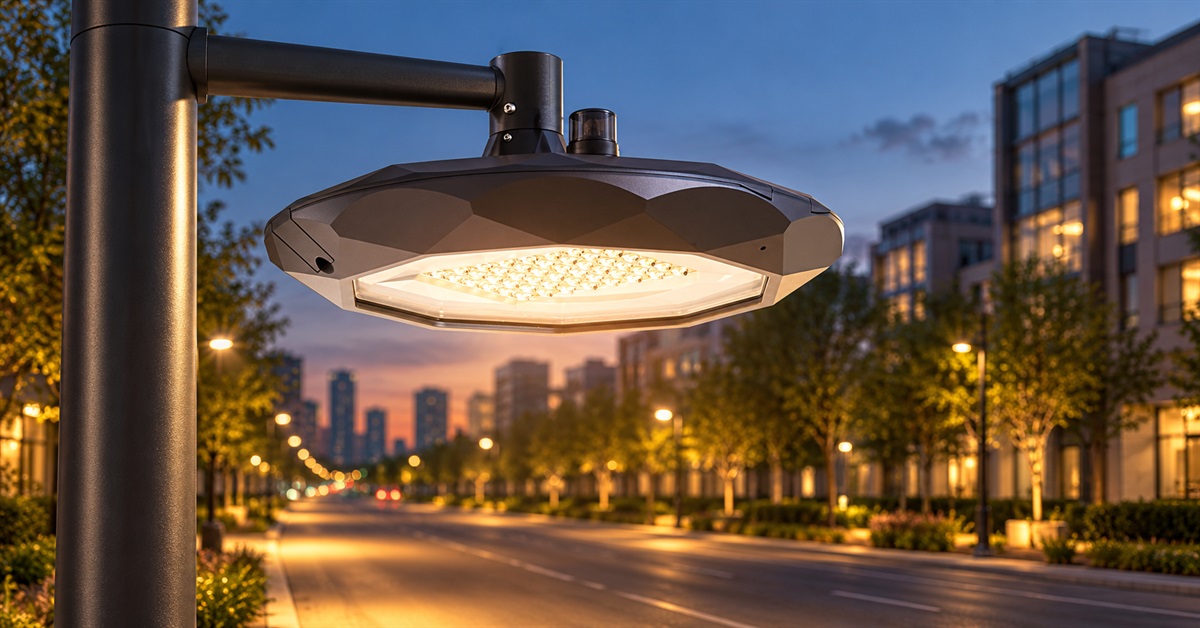
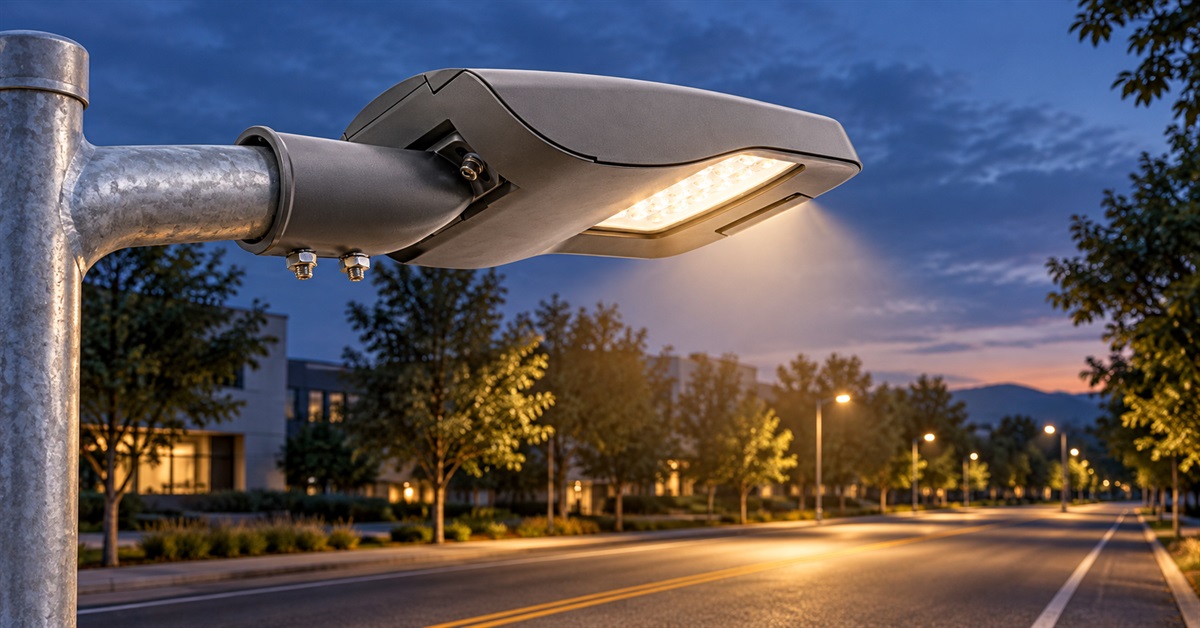
Vega 1 is the compact road-lighting reference in the LUXiFiC Vega portfolio. The available series sheet explicitly identifies VEGA1 and separates several LED and power configurations. This makes it a useful starting point for a disciplined selection process, rather than treating the whole Vega family as a single luminaire with one output.
What the documented power bands actually tell you
The VEGA1 reference lists 8-17 W, 20-30 W, 40-60 W and 60-80 W configurations. These are documented configuration bands, not a promise that every wattage can be ordered with every optic, driver or accessory. Request the exact proposed combination and its technical data before comparing alternatives.
The most important distinction is between a family range and an orderable specification. A family range helps build a shortlist. An orderable specification identifies the model, LED arrangement, drive setting, optic, supply, finish, controls and mounting interface that will actually be supplied. A quotation should make those selections visible.
Describe the road before selecting the light
Provide the road width, relevant footpaths or cycle routes, pole positions and mounting height. Show junctions, crossings and sensitive boundaries rather than submitting only the total road length. If existing poles must remain, identify which dimensions and locations are fixed. Those constraints can matter more than the preferred appearance of the head.
For an initial comparison, ask the lighting designer to assess the proposed Vega 1 configuration against the actual project criteria. Do not use a generic spacing rule as a substitute for calculation. A wider spacing may change uniformity, and a different orientation may move light outside the intended area. The project team should choose the applicable assessment method and acceptance criteria.
Keep the photometric file tied to the quotation
Request the photometric file for the exact optical and electrical configuration under consideration. Record its file name or reference in the selection schedule. If the optic, LED arrangement or operating setting changes during procurement, ask whether a revised file and calculation are required.
This simple document-control step prevents a common mismatch: approving one calculated configuration and ordering another under the same family name. It also makes alternatives easier to compare. Evaluate each against the same site geometry and project requirements, rather than comparing an isolated lumen figure or a photograph.
Check the physical and electrical interfaces
The Vega series reference describes a die-cast aluminum body and a quick on/off connector. Confirm the selected model's installation drawing, cable arrangement and service procedure. Connector wording does not, by itself, establish how electrical isolation is performed or what equipment is needed for safe access.
DALI, 0-10V, Astro Dim and Step Dim are listed as control options. Choose the required operating approach and ask for confirmation of the supplied driver configuration. Also confirm the actual site supply. Do not assume that a version documented for one voltage or destination market is suitable for every other installation.
Use a compact approval checklist
- Exact Vega 1 configuration and documented power band.
- Selected optic and the corresponding photometric file reference.
- Pole connection, bracket, installation height and orientation.
- Electrical supply, driver, control method and accessory list.
- Configuration-specific enclosure, impact and environmental information.
- Drawing revision, finish, quantity and destination market.
Does a higher wattage automatically make Vega 1 the better choice?
No. The useful comparison is whether the selected configuration meets the project's lighting and installation requirements. More electrical power does not resolve an unsuitable distribution or an incompatible mounting interface.
For a Vega 1 road lighting enquiry, send the layout and fixed constraints with the desired control approach. LUXiFiC can then discuss an exact configuration and the documents needed for a meaningful technical and commercial comparison.