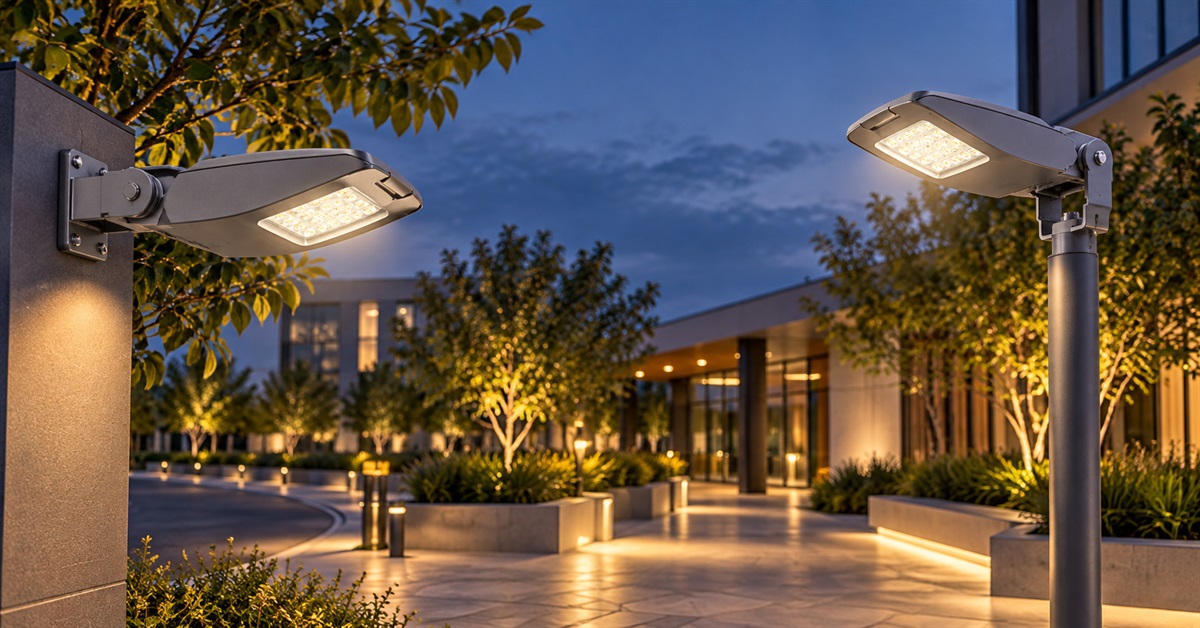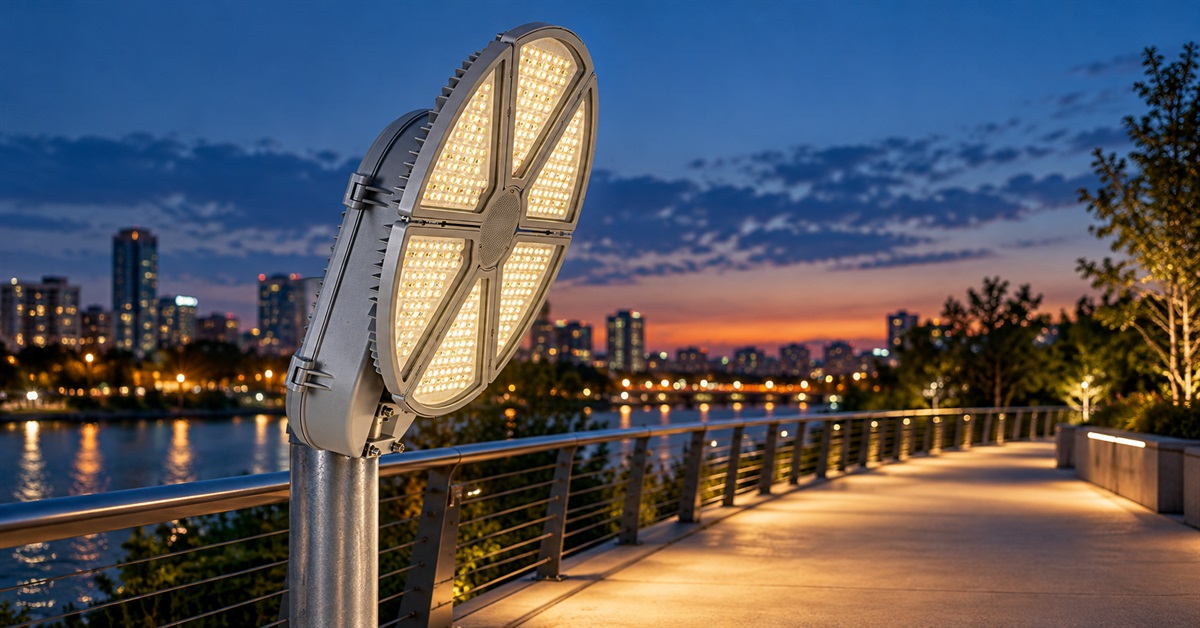
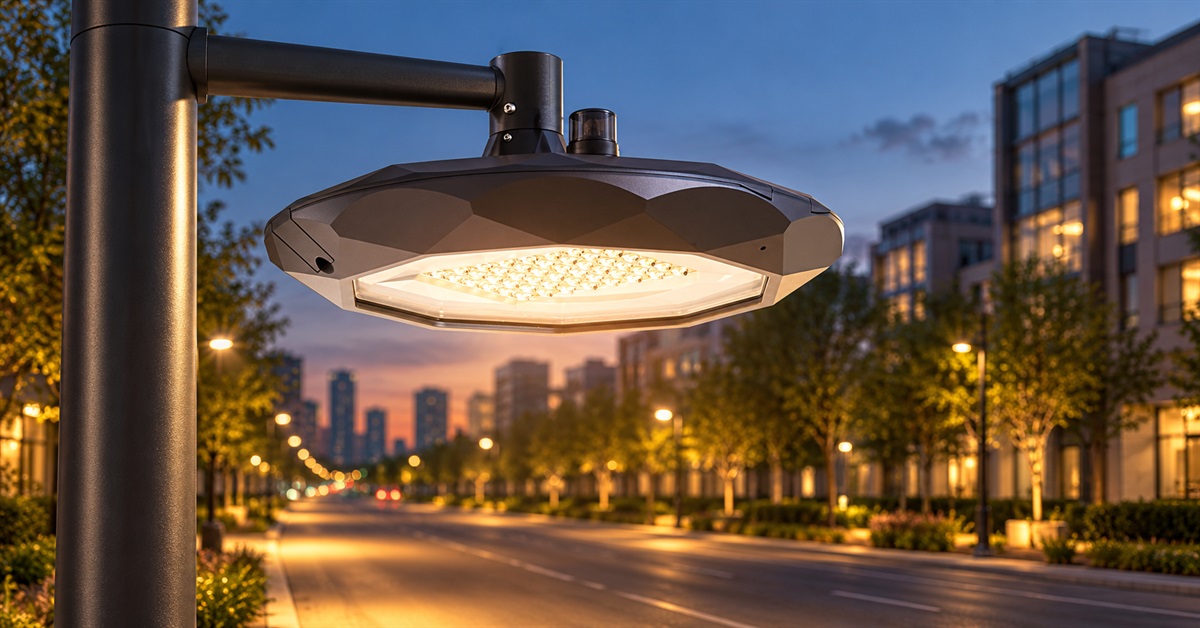
An outdoor luminaire can be described as control-ready without the project team agreeing on what that means. A quotation may mention DALI, 0-10V, Astro Dim, Step Dim, a photocell or a socket, while the installation brief leaves the required behavior unclear. A good outdoor lighting controls specification connects the intended operation to the exact supplied components.
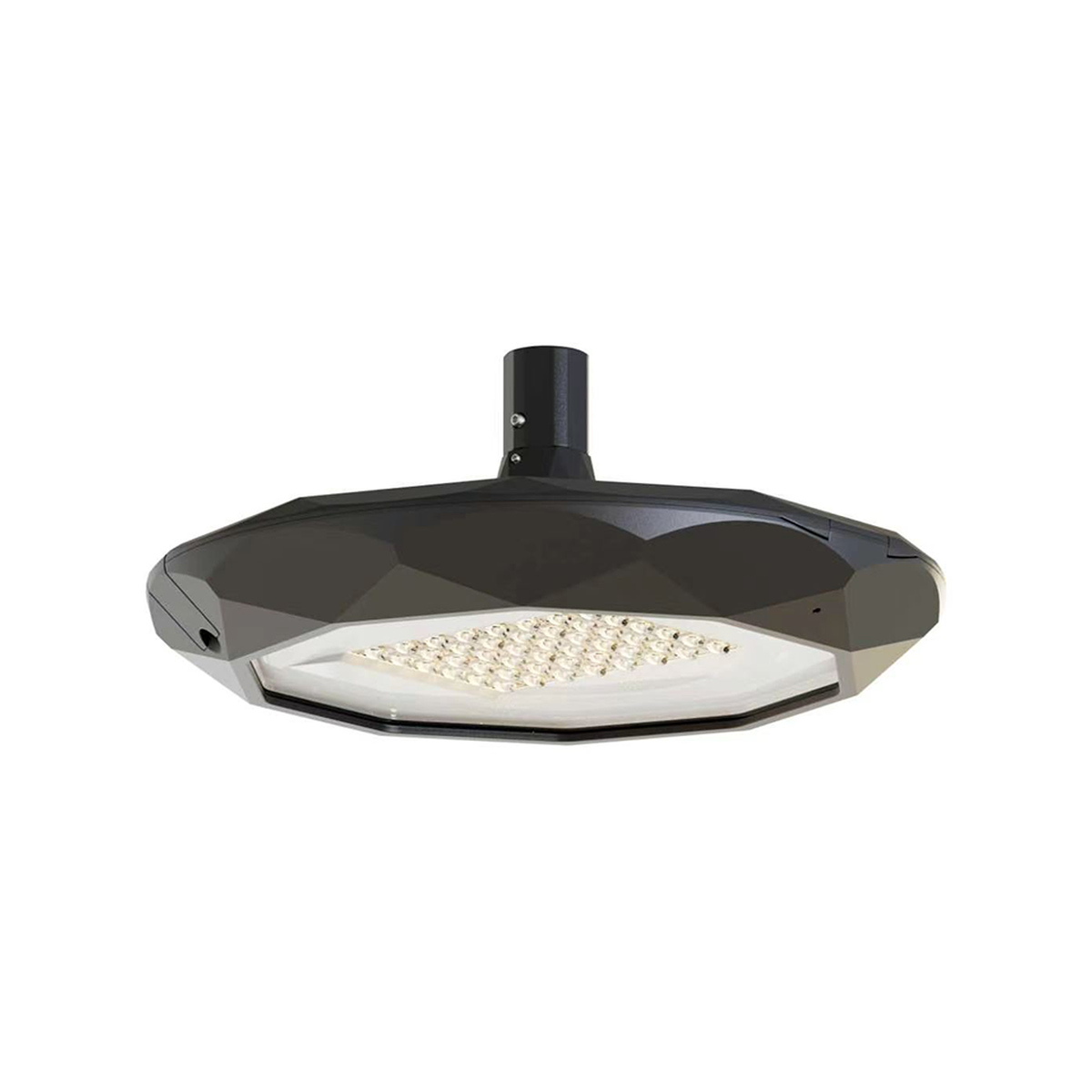
The LUXiFiC references for families including Mantis, Vega, Pisces and 512 list several control options. These entries are useful prompts for selection. They do not mean that every control method is fitted simultaneously, that every accessory is included or that a complete remote-management system is supplied with the luminaire.
Start with behavior, not a protocol name
Write down what the installation should do during a normal operating cycle. Identify switching times, intended dimming periods, any sensor response and how exceptional conditions are handled. Decide whether the required behavior is local to the luminaire or part of a wider managed system.
Then identify who configures that behavior and how it will be verified at handover. A named interface is not an operating schedule. Two parties can agree on DALI while still making different assumptions about addressing, commissioning responsibilities or the selected driver settings.
Keep the dimming method tied to the driver
DALI and 0-10V should be treated as distinct requested control approaches, not interchangeable words on a specification line. Ask the supplier to identify the exact driver and the interface that will be supplied. Confirm the wiring and system requirements with the project's control designer.
For Astro Dim and Step Dim options, request an explanation of the selected version's actual dimming behavior and configuration method. Confirm the intended profile, any required wiring and what can be adjusted after installation. Do not assume a generic feature label answers those questions.
A socket option is not a complete compatibility statement
Some LUXiFiC references list photocell, NEMA Socket and Zhaga options. Ask which specific interface is proposed, which accessory it accepts and what power and communication arrangements are required. Confirm whether the accessory is part of the order or supplied separately.
The DALI Alliance distinguishes DALI-2 from D4i, with additional requirements for D4i. Its Zhaga-D4i program combines relevant Zhaga interface requirements with D4i certification. A reference that merely lists DALI or a Zhaga socket does not establish D4i or Zhaga-D4i certification for the selected LUXiFiC product. Request verifiable configuration-specific evidence whenever a certification is required.
Specify the system boundary
State which parts are included in the luminaire supply and which belong to the wider project. Drivers, sensors or nodes, gateways, management software, commissioning and ongoing services may have different owners. The quotation should make that boundary understandable.
Clarify what happens if a network connection is unavailable, an accessory is replaced or the operating schedule changes. The required answers depend on the selected system; they should not be invented from a general product-family option list. Ask the responsible suppliers to document the agreed behavior and responsibilities.
Check electrical and environmental details together
Confirm the site supply and the selected electrical version, including accessory power where applicable. The available product references include configuration-dependent supply and protection information. Do not assume that the same version suits every destination market or that adding a control accessory leaves all installation details unchanged.
Also review the completed enclosure, connector and mounting arrangement. Ask how the selected accessory is installed and serviced, and which instructions apply to the assembled configuration. Keep the exact model and accessory references in the asset record for future replacement.
A control-ready purchase specification
- Required behavior: switching, dimming profile, sensor response and any agreed fallback behavior.
- Supplied configuration: exact luminaire, driver, interface and accessory references.
- System boundary: included hardware, software, services and commissioning responsibilities.
- Evidence: applicable compatibility and certification records for the exact proposed version.
- Handover: configuration record, acceptance checks and the maintenance or replacement process.
Does choosing controls guarantee a particular energy saving?
No percentage should be promised without an agreed baseline, operating profile and project-specific assessment. Specify the intended behavior first, then evaluate its effect using the actual installation and system data.
Send LUXiFiC the control brief alongside the model shortlist. A precise outdoor lighting controls enquiry is easier to quote, commission and maintain than a request that only asks for a smart luminaire.