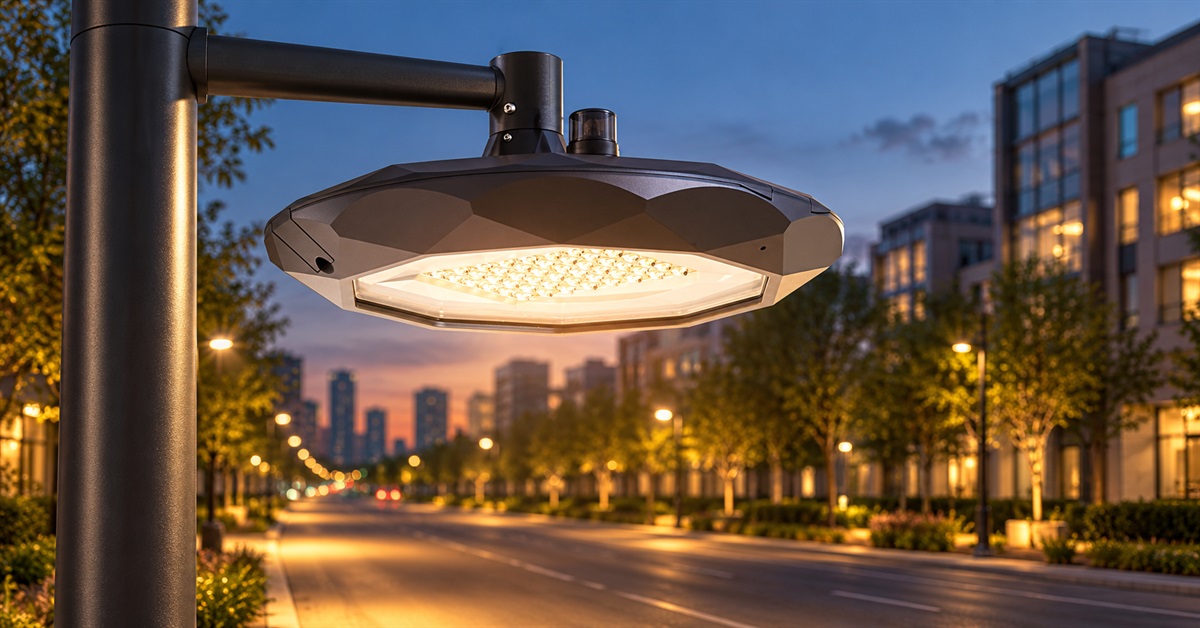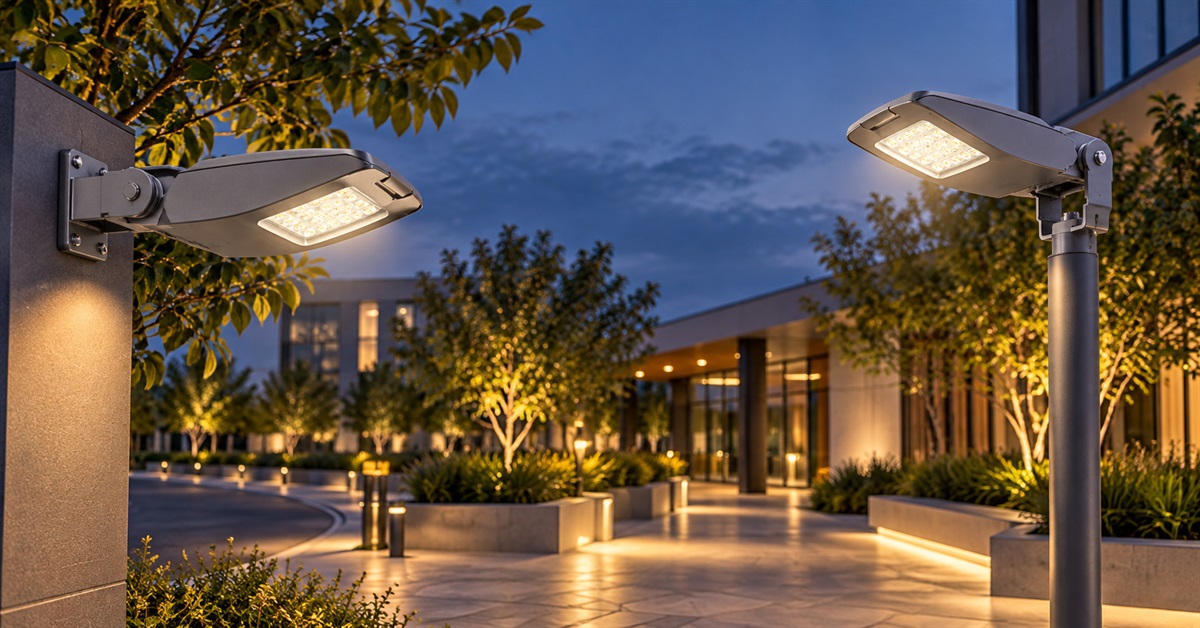
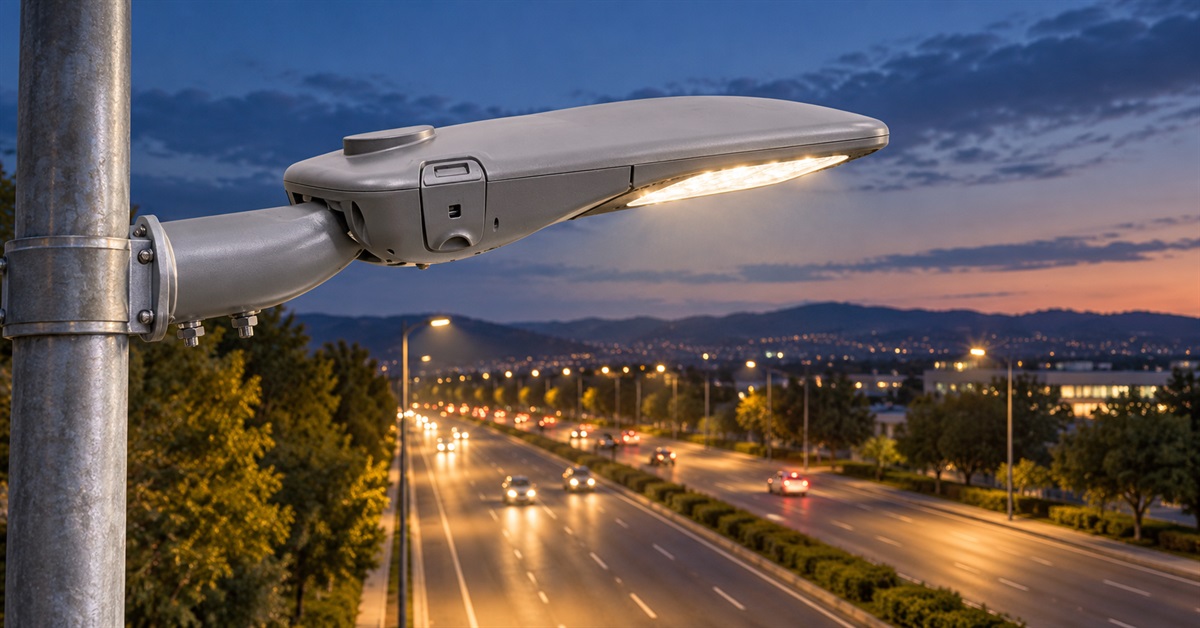
Choosing between three related road luminaires is easier when the comparison separates model size from the actual lighting configuration. Pisces-1, Pisces-2 and Pisces-3 give the specification team compact, middle-size and larger references within the LUXiFiC portfolio. The right choice still depends on the road, its supports and the exact optical and electrical selection.
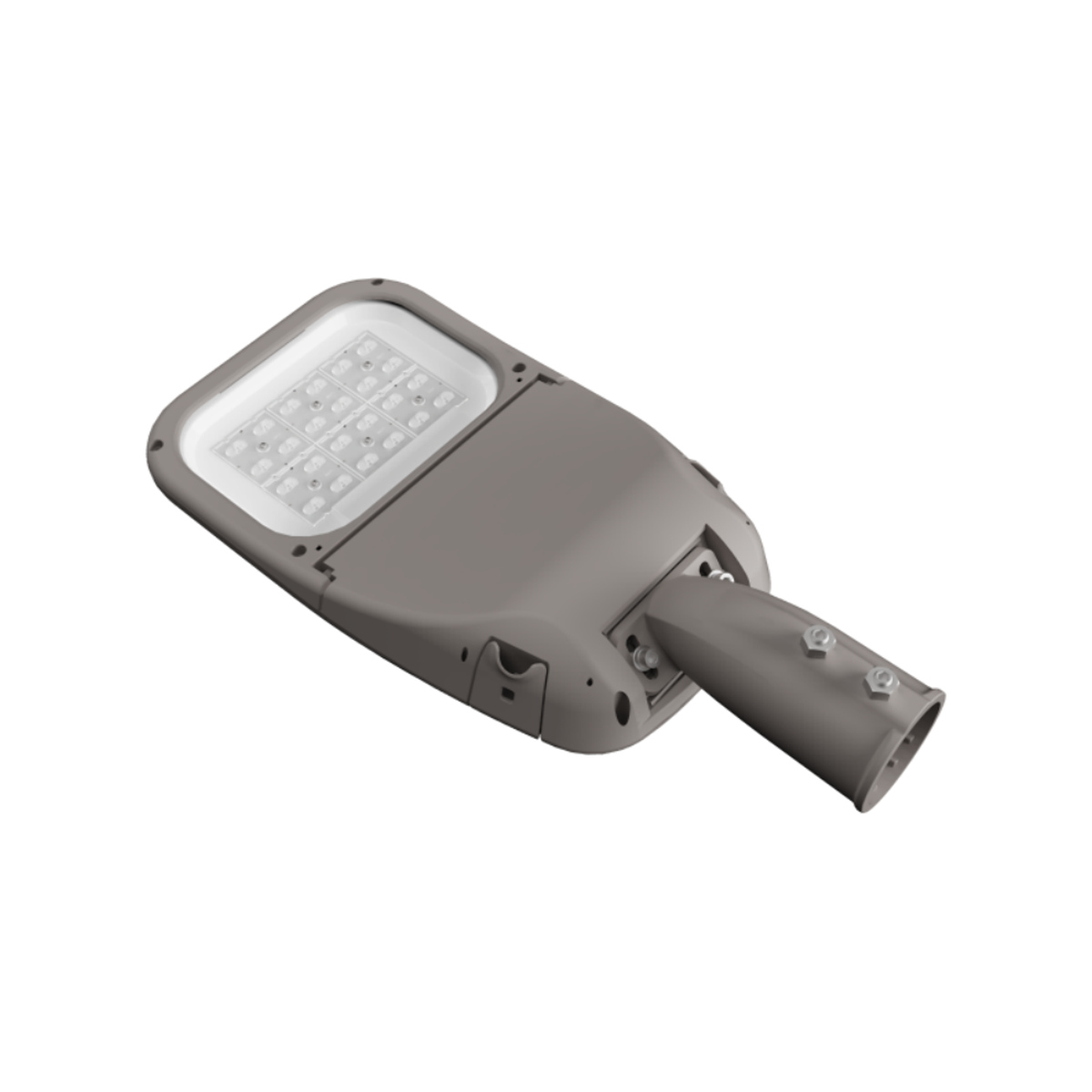
A useful Pisces road lighting shortlist starts with the project constraints. Are existing poles retained? Is the bracket connection fixed? Which areas must the layout address? Answering those questions helps the designer decide which configurations deserve calculation, rather than choosing a head size first and attempting to fit the site around it.
Compare the documented configurations
The available Pisces series sheet explicitly identifies all three models and lists the following power bands. These are reference configurations, not a guarantee that every intermediate wattage or every combination of features is available.
| Model | Documented power bands | Selection role |
|---|---|---|
| Pisces-1 | 8-30 W; 20-50 W; 40-60 W | Compact family reference |
| Pisces-2 | 30-40 W; 40-100 W; 70-150 W | Middle-size family reference |
| Pisces-3 | 100-150 W; 150-180 W; 180-250 W | Larger family reference |
The overlapping bands are important. Model choice should not be made by drawing a simple wattage boundary between adjacent housings. Request the proposed LED arrangement, optic and operating configuration, then compare the resulting complete specifications.
Make the site geometry part of the enquiry
Provide a plan that shows road width, pole positions, mounting height, bracket orientation and relevant footpaths or cycle routes. Mark junctions, crossings and boundary conditions. If only some dimensions can change, say so clearly. A fixed installation height and existing spacing can narrow the meaningful options.
Ask the lighting designer to assess the exact proposed configuration against the project's criteria. Do not assume that moving to Pisces-3 solves every limitation of an existing layout. A different distribution, pole position or operating setting may be the relevant design decision, and each needs to be evaluated in context.
Keep optics and electrical settings together
Obtain the photometric file for the selected Pisces model and configuration. Give the file a visible reference in the approval schedule, alongside the quoted optic and electrical setting. If the quotation changes, check whether the calculation still represents what will be supplied.
This is particularly useful when comparing options near overlapping power bands. The purpose is not to find a winner by wattage alone. It is to identify which complete configuration meets the installation, lighting, operational and commercial brief with an understandable evidence trail.
Review the family features without assuming identical versions
The Pisces reference lists die-cast aluminum construction and a quick on/off connector. It also lists IP66, configuration-dependent IK09 / IK10 entries and control options including DALI, 0-10V, Astro Dim and Step Dim. Confirm the exact version proposed for the destination project.
Do not interpret an option list as a statement that all features are included simultaneously. Ask for the selected driver, control interface, accessory arrangement and mounting detail. Where documentation is required, it should identify the actual configuration rather than only the family name.
Build an approval row for each candidate
- Model name and exact proposed power configuration.
- LED and optical selection, with its corresponding photometric file.
- Mounting connection, bracket, height and orientation.
- Supply, driver, control method and accessory interfaces.
- Confirmed enclosure, impact, environmental and finish information.
- Drawing revision, quantity, destination and commercial scope.
Can a smaller Pisces model be chosen just because its power band overlaps?
Only after comparing the actual proposed configurations and installation constraints. Overlap makes the comparison worth exploring; it does not establish equivalent optical performance or mounting compatibility.
For Pisces road lighting, send LUXiFiC the layout and any fixed pole constraints. A focused Pisces-1, Pisces-2 and Pisces-3 comparison can then be developed around model-specific drawings, optical files and clearly identified order configurations.