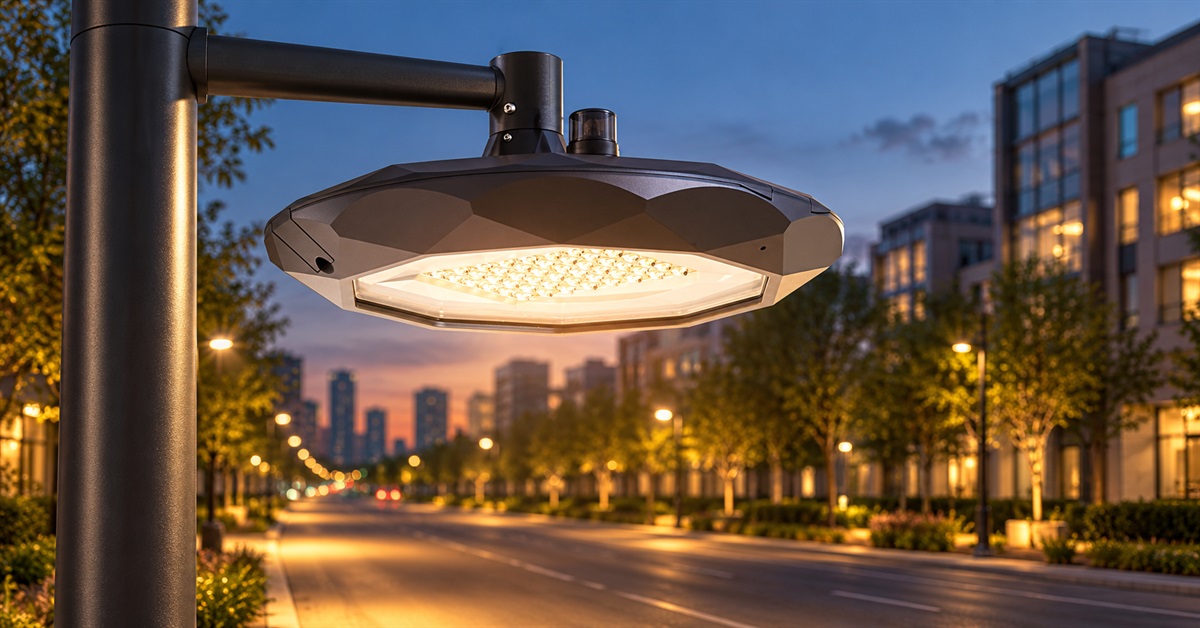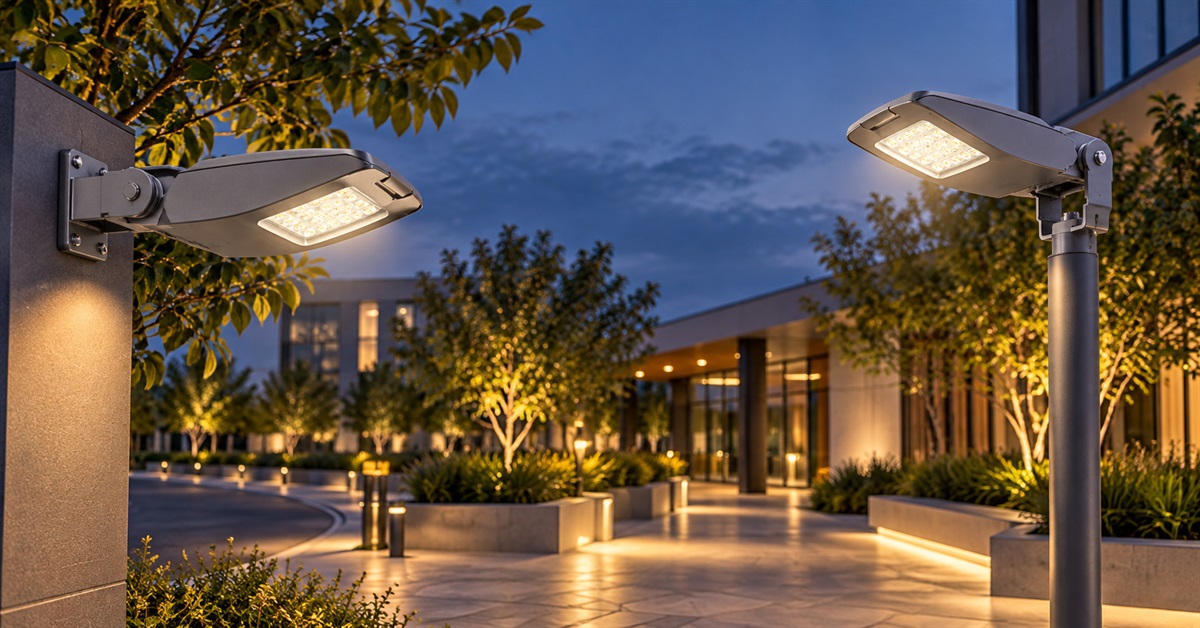
A modular luminaire is most valuable when its service concept becomes a usable maintenance plan. Being able to replace a component is only part of the story. The owner also needs to know which component to order, how to access it and how the restored installation will be checked. Helios-L modular lighting provides a useful starting point for that conversation.
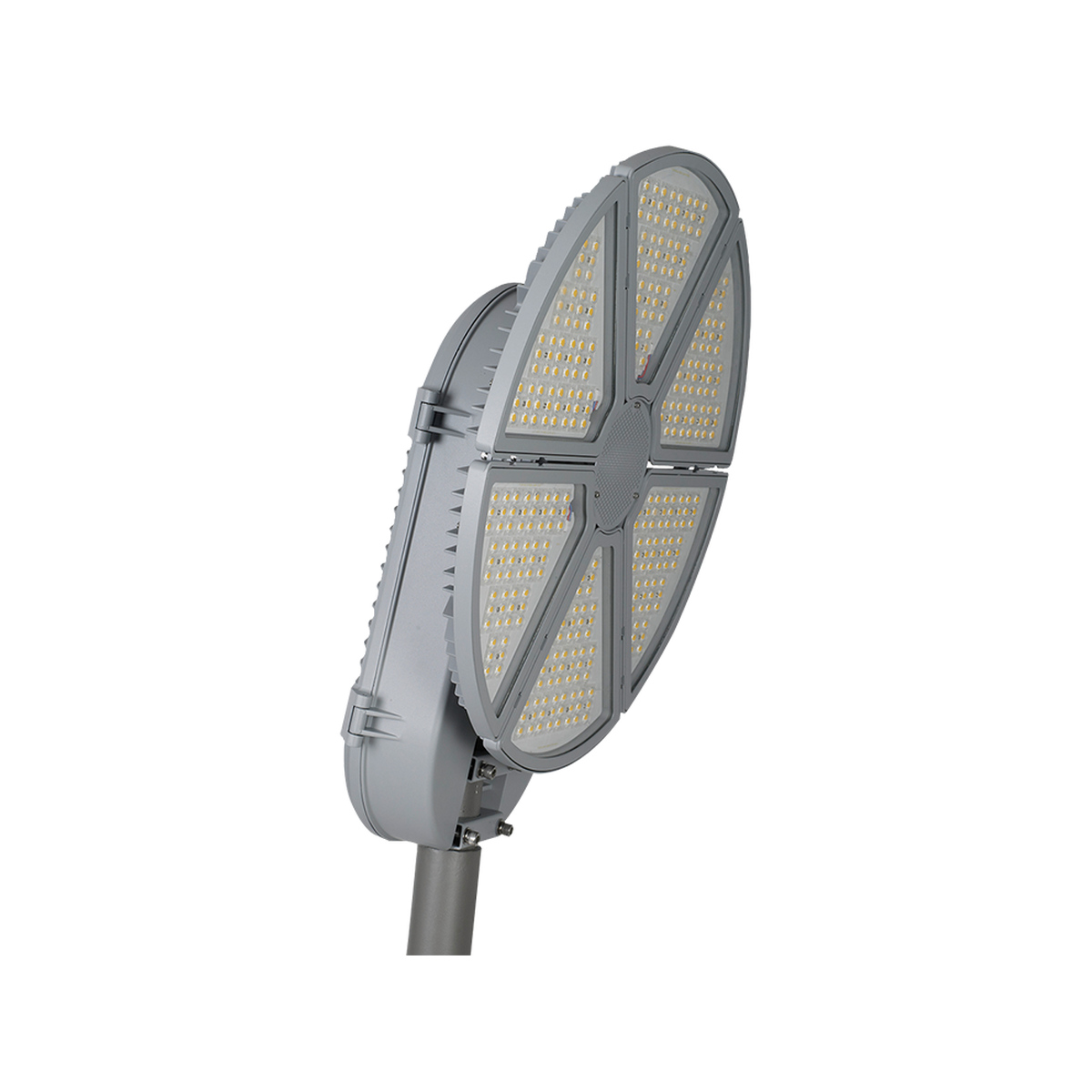
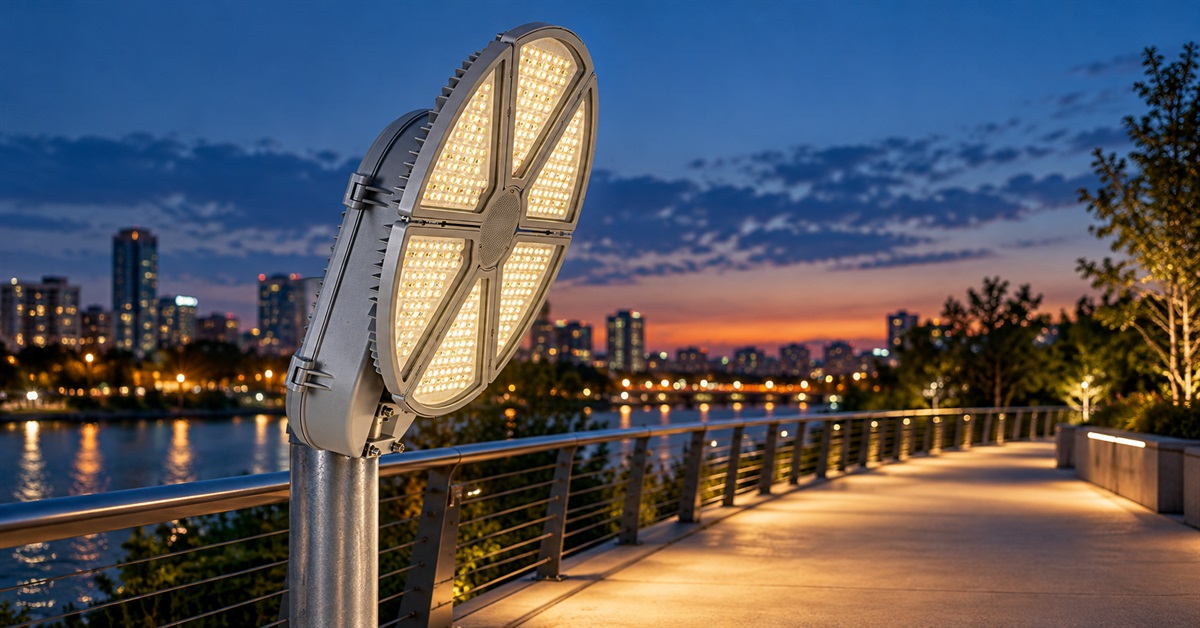
The Helios design notes describe six detachable fan-shaped LED modules around a central honeycomb heat sink, a die-cast aluminum housing, independent module wiring and an angle-adjustable pole mount. These are product-design references. The final electrical, optical and dimensional information should be confirmed for the exact Helios-L configuration proposed.
Translate modular construction into service questions
Begin by asking which parts are replaceable in the selected version. Request the component references and the relevant service instructions, including the handling of connectors, seals and fixings. Clarify whether a replacement module is supplied as a complete assembly and how its electrical and optical compatibility is identified.
Do not assume that independent wiring means the installation can be serviced while energized, or that every module used across the broader family is interchangeable. Electrical isolation and access must follow the applicable instructions and the site's maintenance procedures. The supplier conversation should make the actual method clear.
Design access before the pole location is fixed
Landscape drawings often focus on the view of the luminaire, while maintenance access is considered later. Review the proposed installation height and the route for access equipment early. Planting, narrow paths, parked vehicles or nearby structures can affect how a service team reaches the head.
Ask the project team to identify where equipment can stand and what temporary restrictions servicing may require. A replaceable module does not remove the need to reach the luminaire. For an occupied site, the practical interruption can matter as much as the component replacement itself.
Create a configuration identity that survives handover
Record the Helios-L model, module configuration, driver, selected optic, finish and control arrangement in the asset schedule. Keep the approved drawings and technical references with that record. The aim is to let a future maintenance team identify the installed version without relying on a photograph of a similar head.
Discuss spare-part availability and the proposed replacement route with the supplier. Ask how a changed component revision is handled and whether it affects compatibility or the intended lighting result. Do not promise a particular stocking period or service life unless it is part of the confirmed commercial agreement.
Keep maintenance benefits separate from performance claims
The modular construction and replaceable-module concept are meaningful design features. They do not, on their own, establish a quantified saving, a fixed lifetime or a guaranteed reduction in downtime. Those outcomes depend on the installation, service process, spare parts and operating conditions.
Similarly, do not import numerical specifications from an unrelated series sheet. For Helios-L, request a model-specific technical pack that identifies power, dimensions, optical data and the selected electrical arrangement. A complete answer is more useful than an impressive-looking number without a clear model reference.
Match the application to the actual project
The Helios design notes identify parks, courtyards, plazas and residential landscape settings. The Applications portfolio also lists Helios within port and airport outdoor-environment routes. These are starting points for technical review, not blanket approval for every exposure or specialist airport task.
Describe the installation location, environmental conditions and mounting arrangement. Ask for confirmation of materials, finish and any project-specific documentation. A broad application label should never replace the review of the actual site.
A maintenance-focused enquiry checklist
- The selected Helios-L configuration and its dimensional drawing.
- Replaceable component references and the service procedure.
- Mounting height, access constraints and the intended isolation method.
- Module, driver and optical compatibility information.
- Spare-parts arrangements and the required handover documents.
Helios-L modular lighting deserves a specification that treats maintenance as part of the installed system. Send LUXiFiC the site layout and service constraints alongside the lighting brief to request the exact product and maintenance information needed for selection.