
SolutionsOEM and ODM lighting partnership
For product teams
OEM and ODM lighting partnership
An OEM or ODM discussion starts with a defined product requirement and target market. Use this route for a requested configuration change, brand programme or development enquiry. Identify the reference model, expected volumes and required documentation so feasibility can be reviewed before commercial commitments.
LUXiFiC / Solutions / OEM and ODM lighting partnership
An OEM or ODM discussion starts with a defined product requirement and target market. Use this route for a requested configuration change, brand programme or development enquiry. Identify the reference model, expected volumes and required documentation so feasibility can be reviewed before commercial commitments.Page content updated
Decision sequence
How should the project review proceed?
Use the same brief to move from the first requirement to a focused technical response.
- 01What should an OEM or ODM brief define?
An OEM or ODM brief is the starting record for reviewing a requested product change. Define the target market, application, reference product, expected volumes and required documents. Identify the change separately from the existing configuration so feasibility, tooling and verification can be discussed without treating an unconfirmed option as an available product.
- 02Separate product decisions from assumptions.
Review the requested change, clarify the production and document implications, and keep a written list of open points before moving to commercial discussion.
- 03Use manufacturing context to support the conversation.
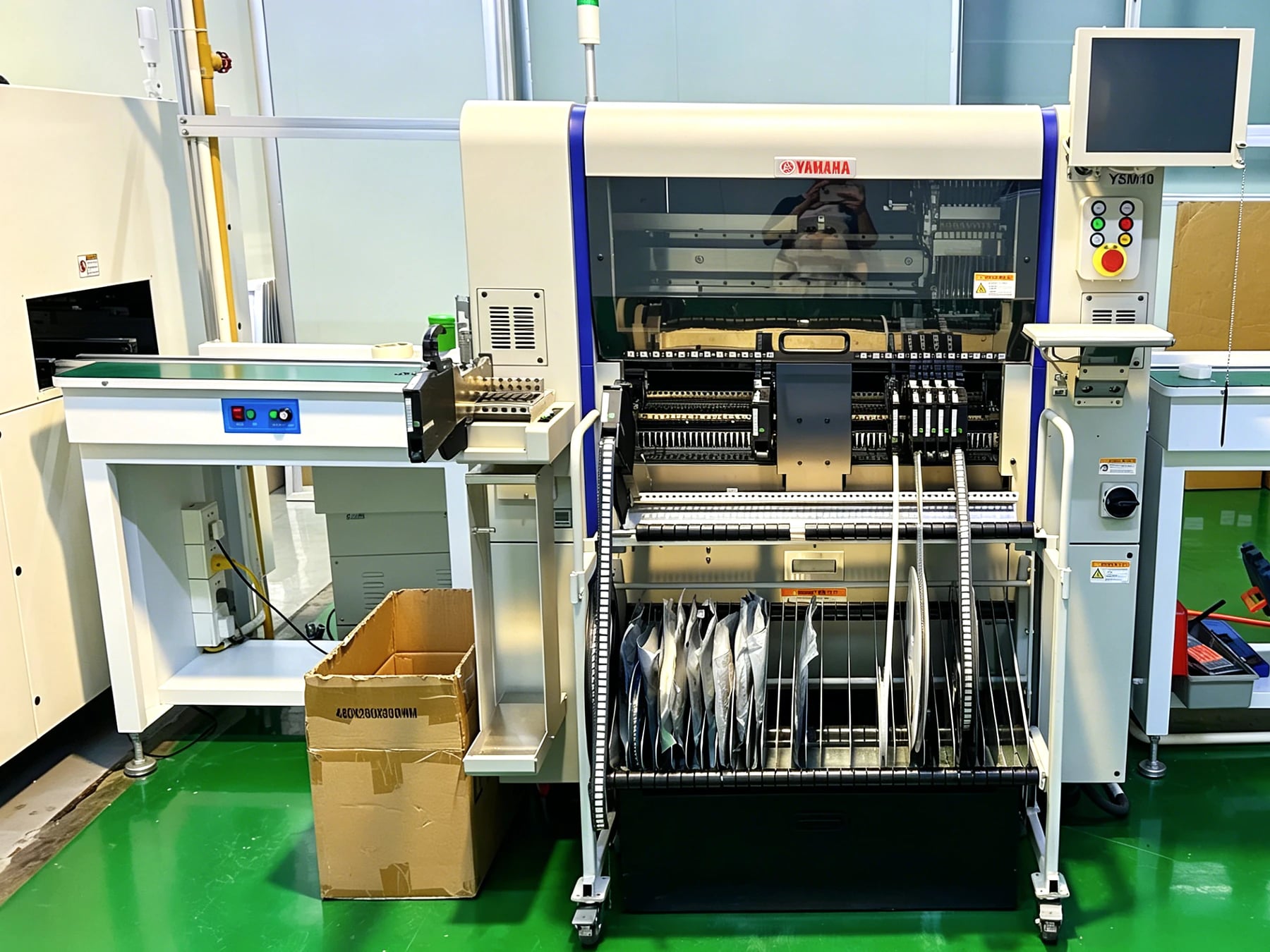
The public capability page shows the type of production and testing context available without inventing capacity, certifications, or customer results.
Scope
What should an OEM or ODM brief define?
An OEM or ODM brief is the starting record for reviewing a requested product change. Define the target market, application, reference product, expected volumes and required documents. Identify the change separately from the existing configuration so feasibility, tooling and verification can be discussed without treating an unconfirmed option as an available product.
Workflow
Separate product decisions from assumptions.
Review the requested change, clarify the production and document implications, and keep a written list of open points before moving to commercial discussion.
Evidence
Use manufacturing context to support the conversation.
The public capability page shows the type of production and testing context available without inventing capacity, certifications, or customer results.
Next step
Turn this reference into a project brief.
Share your application, product context, quantity, market, and the documents you need to review.